Sustainable Architecture: Designing an Eco-Friendly Home
10 Dec 2025 • Written by Timothy Metcalfe
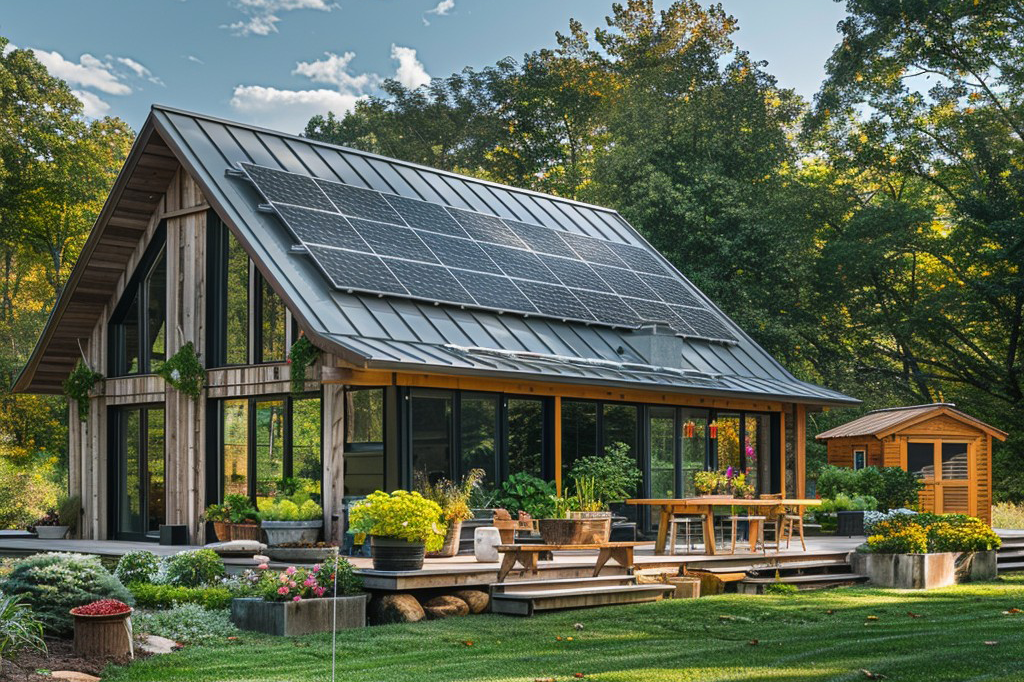
Sustainable architecture is a design philosophy that minimises a building's environmental impact by enhancing energy efficiency, conserving resources, and incorporating eco-friendly materials. This approach prioritises renewable energy, waste reduction, and the creation of healthy indoor environments. Ultimately, it seeks to lower carbon emissions and promote long-term ecological well-being.
In today’s climate, sustainable and environmentally friendly architecture is more important than ever. Whether you aim to reduce your carbon footprint or lower rising electricity bills, this article explores the key principles of sustainable architecture and provides practical insights into building a greener home.
At forma architecture, we specialise in sustainable residential architecture across the UK and Europe. From concept to completion, we guide homeowners through designing energy-efficient, low-impact homes tailored to their lifestyles. If you're considering a sustainable home, schedule a free 30-minute consultation, or email us at hello@formaarchitecture.co.uk.
Designing a Home That Works with Nature
Sustainable architecture starts with a holistic approach to design, ensuring a home responds to its natural surroundings. Thoughtful planning can significantly enhance comfort and efficiency by considering:
• Building form and orientation – Positioning your home to maximise natural light and heat in winter while minimising overheating in summer
• Strategic window placement – Harnessing passive solar heating and ventilation to reduce reliance on artificial energy sources
• Landscaping for efficiency – Trees, green walls, and shading devices can regulate temperatures naturally, improving comfort while reducing energy consumption
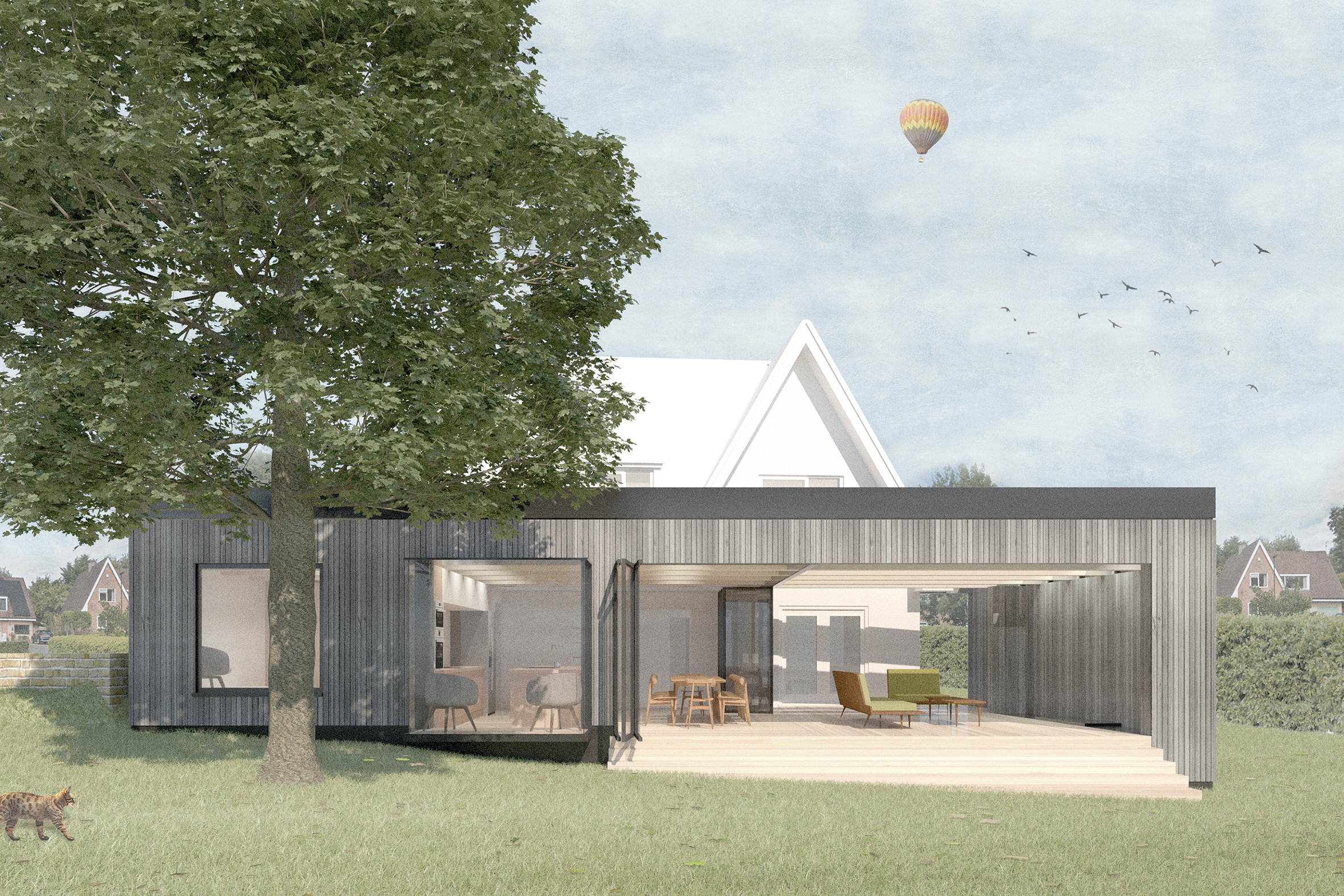
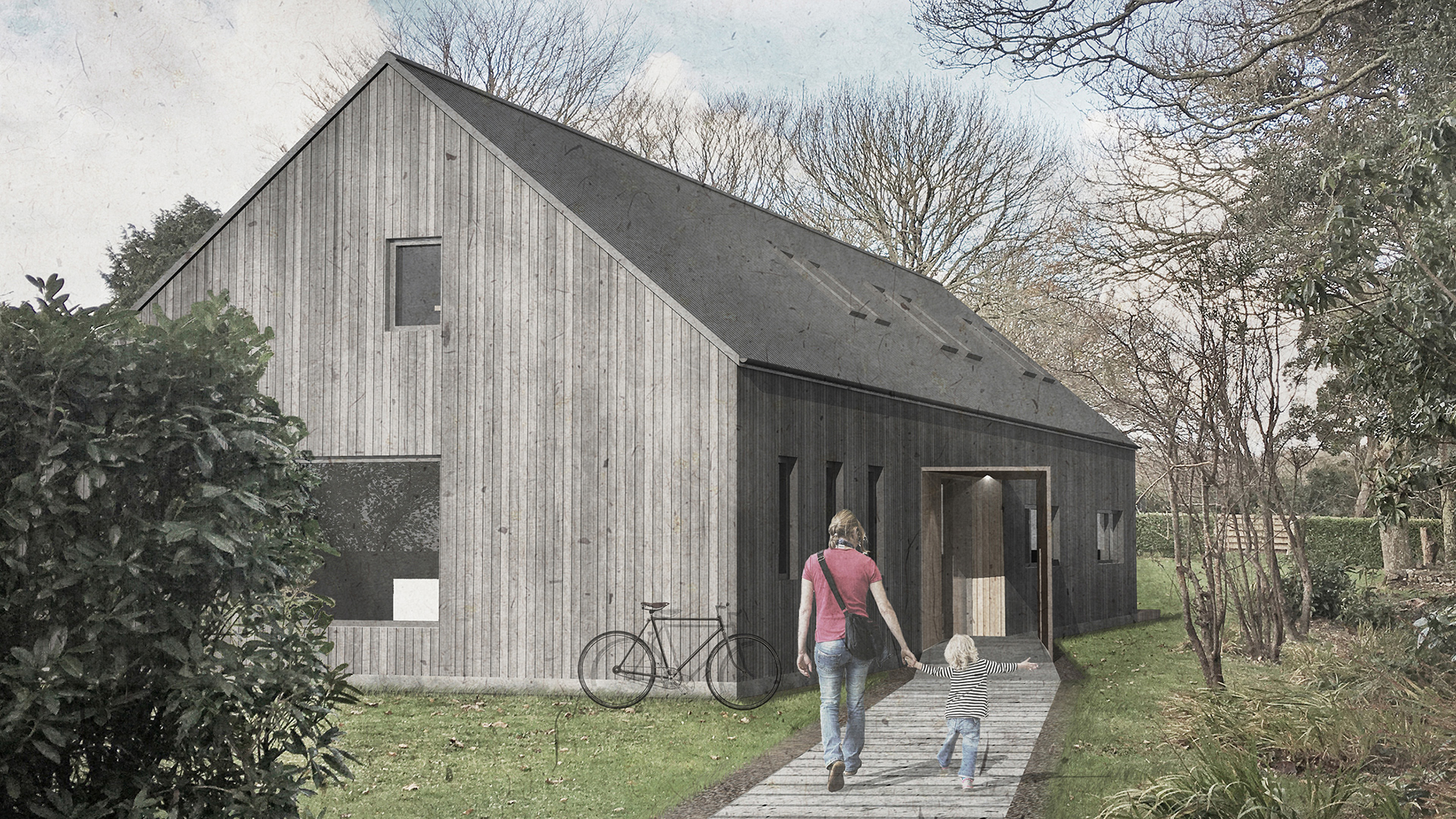
A home designed with its environment in mind minimises energy use from the outset. Explore our Fairfield project for inspiration.
The Role of Location in Sustainable Design
Where you build matters just as much as how you build. In northern climates, homes should be designed to capture daylight and warmth, with key living spaces oriented south. In warmer regions, shading techniques such as brise soleil, balconies, and deep overhangs prevent overheating while promoting airflow.
Maximising natural ventilation through cross-breezes and stack effects also enhances indoor air quality, reducing the need for mechanical cooling. The right location and design strategy can drastically improve a home’s sustainability from the outset.
Choosing Sustainable Materials
Material selection plays a significant role in a home’s environmental impact. Opting for sustainable alternatives can help reduce your carbon footprint. Consider:
• Locally sourced and renewable materials – Reducing transport emissions while supporting local economies
• Timber as a carbon-storing solution – Used for framing, cladding, flooring, and insulation, timber can create a carbon-neutral home
• Low-carbon concrete alternatives – Such as hempcrete or limecrete, offering excellent insulation with a lower environmental cost
Sustainable materials create long-lasting, energy-efficient homes that blend functionality with environmental responsibility.
__________________________________________________
Bring your home vision to life
Ready to create a home that reflects your lifestyle, values, and needs? Let's make it happen together. Whether you want to build, renovate, or extend, we’ll guide you from initial concept to planning approval and construction. Schedule a free 30-minute consultation to get started.

_________________________________________________
Creating an Energy-Efficient Thermal Envelope
An effective thermal envelope is fundamental to an energy-efficient home. High-performance insulation and airtight construction can prevent heat loss in winter and keep interiors cool in summer. Key elements include:
• Well-insulated floors, walls, and roofs – Reducing heat transfer and lowering energy consumption
• Triple-glazed doors and windows – Enhancing insulation while allowing natural light to penetrate deeper into the home
• Minimising thermal bridging – Preventing heat loss through weak points in the building fabric
Investing in a well-sealed thermal envelope ensures long-term energy savings and enhances indoor comfort.
Integrating Renewable Energy and Smart Technology
Sustainable homes increasingly incorporate green technologies to reduce reliance on fossil fuels. These include:
• Air source and ground source heat pumps – Providing efficient, renewable heating and cooling
• Mechanical Ventilation with Heat Recovery (MVHR) – Improving indoor air quality while recycling heat energy
• Solar panels and home batteries – Generating and storing clean electricity to lower energy costs
• Smart home systems – Allowing efficient control of heating, lighting, and ventilation to reduce energy waste
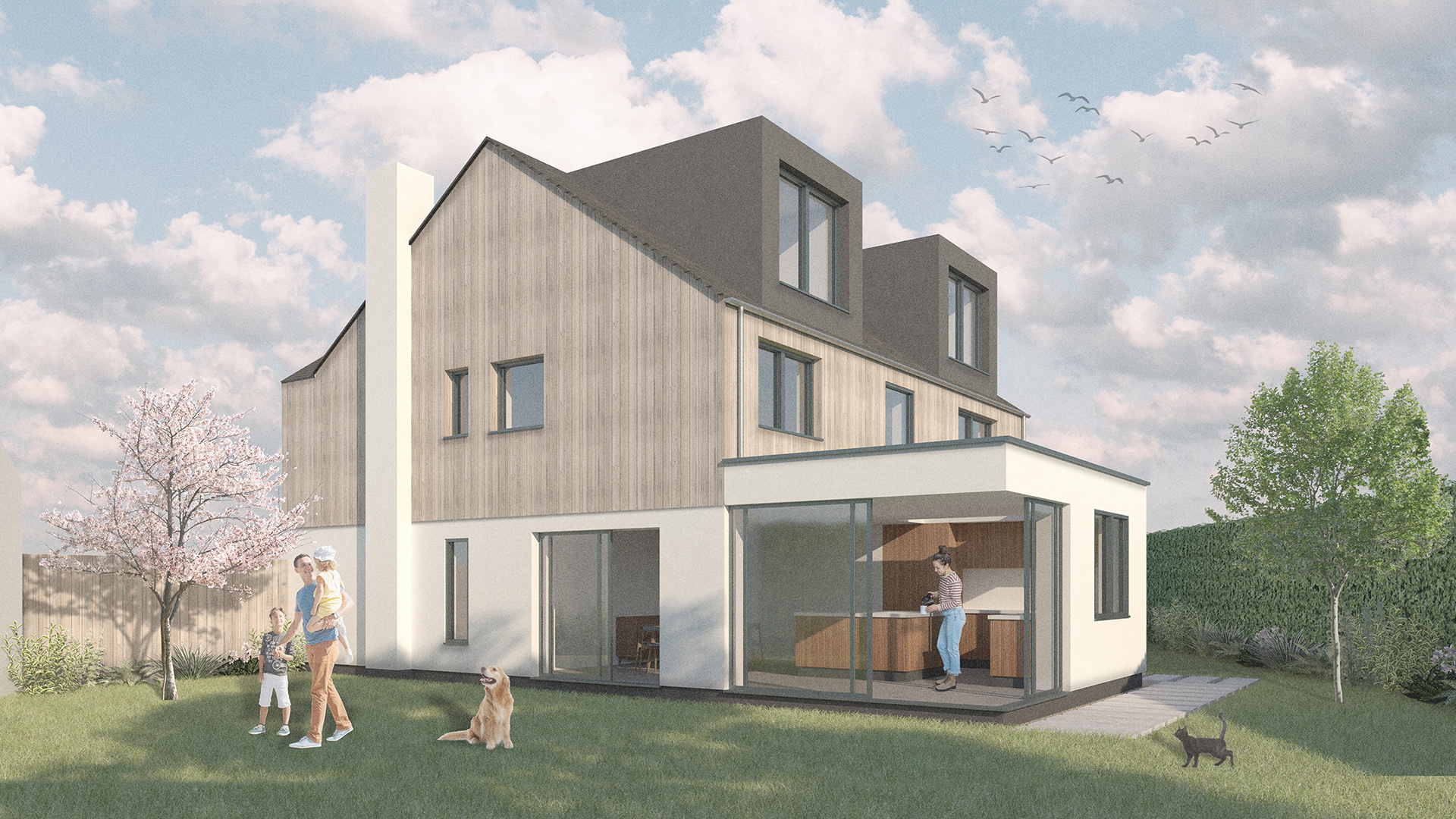
Take a look at our Buttermere Close project for inspiration.
Water Conservation: Reducing Waste and Consumption
Water is a precious resource, and sustainable homes prioritise conservation. Effective solutions include
• Rainwater harvesting – Capturing rainwater for irrigation, toilet flushing, and laundry
• Low-flow fixtures – Reducing water consumption without compromising performance
• Soakaways and permeable surfaces – Preventing excess rainwater from overloading drainage systems and treatment plants
Incorporating these strategies ensures long-term water efficiency, lowering costs and supporting environmental sustainability.
Prefabrication and Modular Construction
Prefabrication and modular construction techniques offer an efficient and sustainable approach to homebuilding. This method:
• Reduces material waste – As components are precision-made off-site
• Lowers carbon emissions – By minimising construction transport and on-site energy use
• Speeds up build times – Reducing disruption and improving efficiency
Modular homes provide a practical solution for sustainable construction without compromising on quality or design.
The Benefits of Green Roofs
Green roofs offer a range of environmental benefits, including:
• Enhanced insulation – Regulating indoor temperatures for greater energy efficiency
• Improved biodiversity – Supporting local wildlife and creating natural habitats
• Reduced rainwater runoff – Managing stormwater effectively, lessening strain on urban drainage systems
A well-designed green roof contributes to a home’s sustainability while improving urban ecosystems. See our Ponsanooth project for inspiration.
Thinking Beyond Construction: The Life Cycle of a Home
Sustainability isn’t just about how a home is built – it’s also about how it functions over time and how materials can be reused or recycled. Key considerations include:
• Designing for longevity – Using durable, low-maintenance materials that reduce the need for frequent replacements
• Planning for future adaptability – Ensuring homes can evolve with changing needs
• End-of-life material reuse – Making deconstruction easier so materials can be reclaimed or recycled
By considering the full life cycle, sustainable architecture reduces waste and maximises efficiency over decades.
Create a Sustainable Home with FORMA Architecture
At forma architecture, we specialise in creating high-performance, eco-conscious homes that enhance comfort while reducing environmental impact. Whether you're planning a new build, home extension, or retrofit, we provide expert guidance on sustainable architecture tailored to your needs.
📩 Get in Touch
We work with homeowners across the UK and Europe to design homes that prioritise sustainability and efficiency.
Visit our contact page or email us at hello@formaarchitecture.co.uk to discuss your sustainable home project.
Embrace the future of residential design – create a home that’s as efficient as it is beautiful.
__________________________________________________
Let’s Create Something Exceptional
A well-designed home is an investment in your lifestyle and future. With expert planning, thoughtful design, and efficient execution, we ensure your project meets your vision while staying cost-effective. If you're ready to take the next step, let's discuss your ideas and turn them into reality.

__________________________________________________