Why Concept Design Is the Most Important Stage of a Home Extension
15 Dec 2025 • Written by Timothy Metcalfe
If you’re thinking about extending or renovating your home, it’s tempting to jump straight to planning drawings. After all, that’s what you need to submit to the council. But skipping or rushing the concept design stage is one of the most common reasons projects end up compromised, over budget, or simply disappointing.
Concept design is where the right questions are asked before any fixed decisions are made. It’s the stage that tests ideas, explores options, and sets the foundation for everything that follows.
At forma architecture, we specialise in concept design, helping you test ideas and establish a clear direction before pursuing to a full planning application. To arrange a free 30-minute consultation, click here, or email us at hello@formaarchitecture.co.uk.
What Is Concept Design?
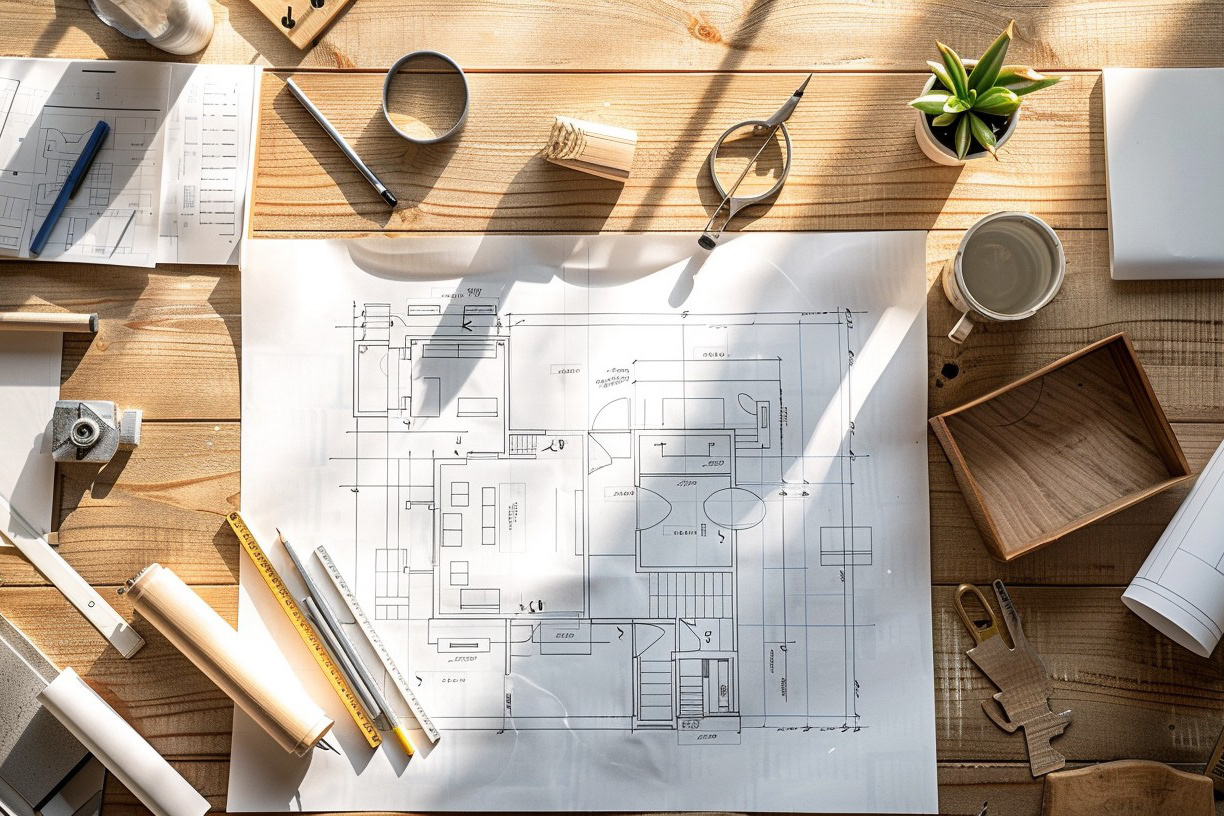
Concept design is the early stage of architectural design where the overall approach to a project is developed. Rather than focusing on technical detail, it looks at the bigger picture:
• How the extension relates to the existing house
• Overall form, scale, and massing
• Layout options and circulation
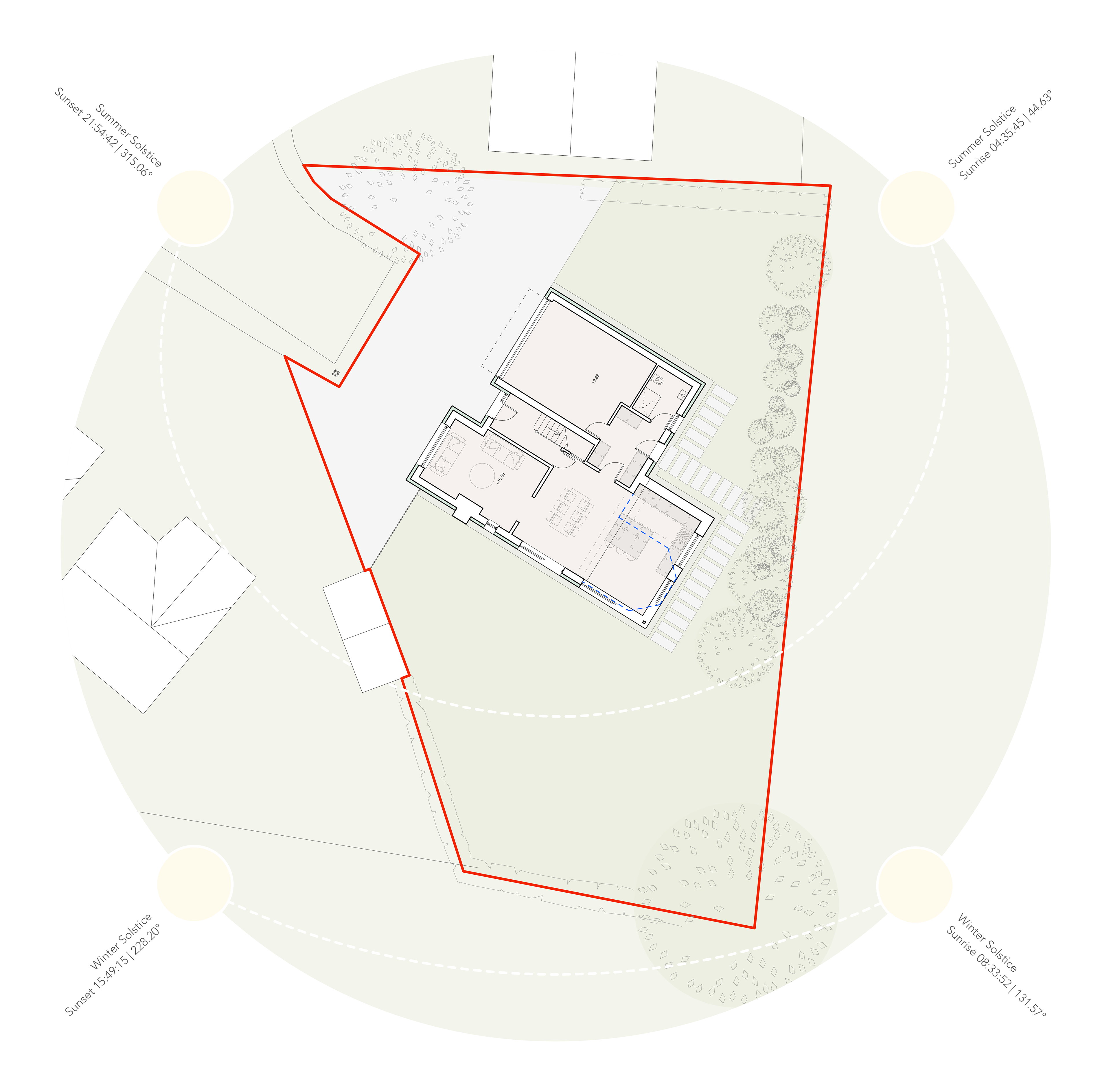
• How light enters the space
• Relationship between inside and outside
• Overall form, scale, and massing
• Layout options and circulation
• How light enters the space
• Relationship between inside and outside
At this stage, ideas are intentionally flexible. Changes are quick, affordable, and informative.
Why Concept Design Matters for Extensions and Renovations
1. It Helps You Explore Multiple Options
Most homes can be extended in more than one way. Concept design allows different layouts, sizes, and forms to be tested side by side. This might include:
• Full-width vs partial-width extensions
• Single-storey vs two-storey additions
• Different roof forms or heights
• Single-storey vs two-storey additions
• Different roof forms or heights
Seeing these options early helps you make confident decisions based on space, cost, and long-term use.
2. It Reduces Risk Before Planning
Once a planning application is submitted, changes become slower and more expensive. Concept design helps identify potential issues early, such as:
• Overshadowing neighbouring properties
• Poor daylight levels internally
• Overdevelopment of the plot
• Awkward connections to the existing house
• Poor daylight levels internally
• Overdevelopment of the plot
• Awkward connections to the existing house
Testing ideas upfront reduces the likelihood of planning objections or redesign later on.
__________________________________________________
Bring your home vision to life
Ready to create a home that reflects your lifestyle, values, and needs? Let's make it happen together. Whether you want to build, renovate, or extend, we’ll guide you from initial concept to planning approval and construction. Schedule a free 30-minute consultation to get started.

__________________________________________________
3. It Improves How Spaces Feel, Not Just How They Look
A successful extension isn’t just about gaining square metres. Concept design focuses on:
• Proportion and scale
• How rooms connect and flow
• Where quiet spaces sit in relation to social areas
• How the house is used throughout the day
• How rooms connect and flow
• Where quiet spaces sit in relation to social areas
• How the house is used throughout the day
These qualities are difficult to fix once layouts are locked in.
4. It Strengthens the Relationship Between Indoors and Out
Early design studies consider orientation, glazing, and external space together. This helps ensure that:
• Living spaces receive good natural light
• Gardens and patios feel connected, not secondary
• Views are framed deliberately
• Gardens and patios feel connected, not secondary
• Views are framed deliberately
For many extensions, this relationship defines how successful the project feels once completed.
Why 3D Concept Studies Are Especially Useful
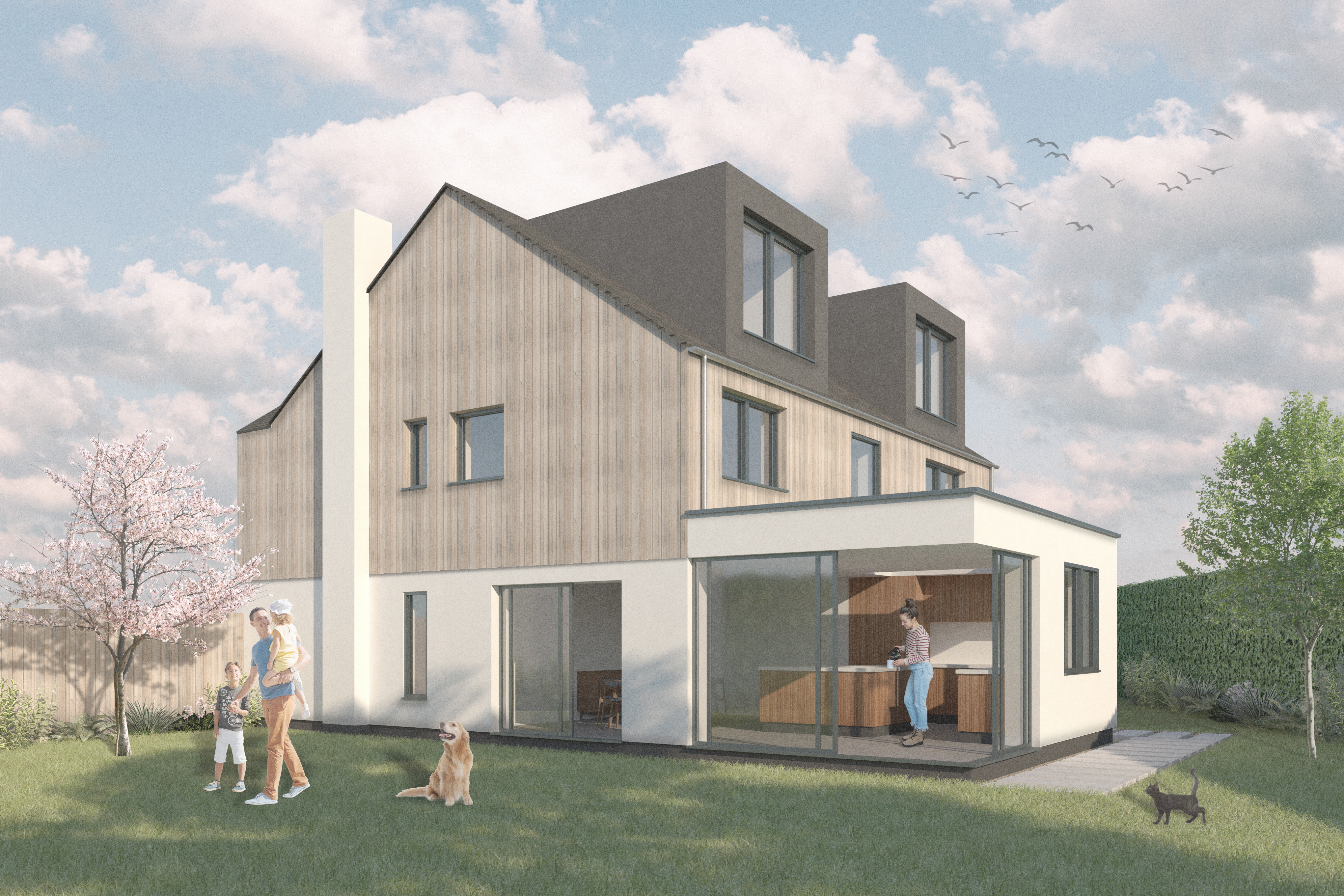
For homeowners, 3D models and visual studies are often more intuitive than technical drawings. At concept stage, they can be used to:
• Understand scale and height
• Compare design options clearly
• Test roof forms and massing
• Visualise how the extension sits within its context
• Compare design options clearly
• Test roof forms and massing
• Visualise how the extension sits within its context
These studies are not about final finishes. They are tools for decision-making.
Concept Design vs Planning Drawings
Concept design answers the question: What should we build?
Planning drawings answer: How do we get permission for it?
When concept design is rushed or skipped, planning drawings often end up doing too much work, leading to compromises and late changes.
When Should You Start Concept Design?
Ideally, concept design begins once you have:
• A measured survey of your home
• A basic brief outlining what you want to achieve
Starting early gives you time to test ideas properly, rather than forcing decisions to meet planning deadlines.
A More Confident Way to Approach Your Extension
Whether you’re considering a small renovation or a substantial extension, concept design provides clarity. It allows ideas to be explored, challenged, and refined before they become fixed.
If you’re at the early stages of an extension and want to test options before committing to planning, taking time over concept design can lead to a better, more considered outcome.
__________________________________________________
Let’s Create Something Exceptional
A well-designed home is an investment in your lifestyle and future. With expert planning, thoughtful design, and efficient execution, we ensure your project meets your vision while staying cost-effective. If you're ready to take the next step, let's discuss your ideas and turn them into reality.

_________________________________________________